Landscape Maintenance Tips for Preventing Landscape Stress

Healthy landscapes rarely stay healthy by accident. Lawns, trees, shrubs, annual beds, and irrigation systems all react to pressure, and that pressure tends to show up long before a plant actually dies. Leaves lose color. Turf thins. New growth stalls. Soil hardens. A bed that looked vigorous in spring starts to look tired by midsummer. In the field, that is what stress usually looks like, not dramatic collapse, but a gradual slide that most property owners notice only after the damage is established.
Good landscape maintenance is really the practice of interrupting that slide early. The aim is not to create a perfect, static landscape. That is not realistic. The aim is to keep the site resilient enough to handle weather swings, foot traffic, pruning, insects, and the ordinary wear that comes with a lived-in outdoor space. Preventing landscape stress comes down to observation, timing, and a willingness to adjust methods to the site instead of following a rigid routine.
A stressed landscape can come from obvious causes such as drought or winter injury, but more often it comes from several smaller problems acting together. A tree planted a bit too deep, a mower cutting turf too short, compacted soil around the root zone, and irrigation that runs too often but too shallowly can combine into a decline that seems mysterious until you look closely. Once you learn to read those signals, maintenance decisions get sharper and results improve quickly.
Stress starts below the surface
Most visible landscape problems begin underground. Roots need oxygen, moisture, and room to grow. When the soil is compacted or constantly waterlogged, roots struggle even if the top growth still looks acceptable for a while. That is why a bed can appear fine in early spring, then fail badly when summer heat arrives. The root system never had the capacity to support the canopy under real pressure.
Compaction is one of the most common hidden issues. It shows up in commercial properties near entrances, along common footpaths, and anywhere equipment is parked repeatedly. In residential settings, it often appears around patios, under swing sets, or near downspouts where traffic and runoff combine. If water puddles after moderate rain, if a shovel is difficult to push into moist soil, or if turf roots are shallow and sparse, compaction is a likely factor.
The fix is not always dramatic. Sometimes the most effective move is simply reducing traffic in vulnerable areas and improving mulch coverage in planting beds so the soil surface is protected. In lawns, core aeration can make a meaningful difference, particularly in cool-season turf that sees regular use. In beds, careful cultivation near the surface can help, but aggressive tilling around established trees and shrubs often causes more harm than good by damaging feeder roots. Judgment matters here. The right approach depends on plant maturity, soil type, and how the area is used.
Soil structure also shapes how plants experience stress. Sandy soils drain quickly and need more frequent monitoring during hot spells. Clay soils hold water longer, but they can suffocate roots if irrigation is excessive or drainage is poor. The same maintenance schedule can be perfect on one property and problematic on the lot next door. That is why experienced crews learn the personality of a site rather than treating every bed and lawn the same way.
Watering is where many landscapes go wrong
Improper watering causes a remarkable share of stress issues. Some plants are chronically dry, others are effectively drowning, and both can look similar at first glance. Wilting, yellowing, scorched edges, and leaf drop do not always point cleanly to one condition. That is why the first step is checking the soil, not guessing from the foliage.
Deep, infrequent irrigation usually develops stronger root systems than light daily watering. When water penetrates several inches into the soil, roots follow it down. When irrigation only wets the surface, roots stay shallow and the plant becomes more vulnerable to heat and wind. I have seen shrub beds on automatic irrigation struggle every July because the timer was set for convenience rather than root development. The heads ran briefly each morning, the soil crust stayed damp, and the plants never rooted deeply enough to tolerate a three-day hot stretch.
Timing matters almost as much as volume. Early morning is generally the best window because less water is lost to evaporation and foliage has time to dry. Evening watering can work when necessary, but leaves that stay wet overnight increase disease pressure in some plants. Midday watering is not useless, despite the old myths, but it is less efficient and can be impractical on a large property.
Irrigation systems themselves need maintenance. Misaligned heads, clogged nozzles, low pressure, broken drip emitters, and overspray onto pavement all create uneven conditions that stress plants over time. One zone may flood while the adjacent bed stays dry. When clients say, "The system is on, so the landscape should be fine," that is usually the moment to inspect coverage zone by zone. A running system is not necessarily a working system.
A practical way to reduce water-related stress is to watch for these signs during routine landscape maintenance:
- Soil that is dry two to four inches down shortly after irrigation, which often signals shallow watering or hydrophobic soil.
- Persistent wet spots, algae, or a sour smell in beds, which point to poor drainage or overwatering.
- Wilting that does not improve by evening, especially on shrubs and perennials, which can indicate root stress rather than simple afternoon heat.
- Turf color changes, such as a bluish-gray cast or lingering footprints, which commonly appear before widespread drought damage.
- Uneven plant performance within the same zone, which often reveals distribution problems rather than species issues.
That kind of monitoring catches problems while correction is still simple. Waiting until plants are dropping leaves or branches are dying back usually means the stress has been active for weeks.
Mowing height is not a cosmetic detail
Lawn stress often begins with the mower. Cutting turf too short reduces the leaf surface that powers recovery and forces the grass to divert energy into survival instead of growth. Scalped lawns heat up faster, dry out faster, and invite weed pressure. In warm weather, they can go from acceptable to severely stressed in a matter of days.
A useful rule in practice is to avoid removing more than about one-third of the grass blade at a time. That is not a rigid law, but it is a sound threshold for reducing shock. Taller turf shades the soil, moderates temperature, and generally supports deeper roots. On many properties, simply raising the mowing height improves summer performance more than adding fertilizer or increasing irrigation.
Sharp blades matter as well. Dull blades tear rather than cut, leaving ragged leaf tips that brown quickly and create an overall hazy look across the lawn. That torn tissue also increases stress and can make disease issues worse during humid weather. If a lawn looks gray or frayed a day after mowing, blade sharpness is one of the first things to check.
Clippings are often treated as a nuisance, but when they are not excessive, they can be beneficial. Returning short clippings to the lawn recycles nutrients and helps support soil biology. Bagging every time is not necessary for plant health. The exception is when clumps are heavy enough to smother the grass or when disease pressure makes removal the safer choice. Again, the right practice depends on conditions, not habit.
Mulch protects more than appearance
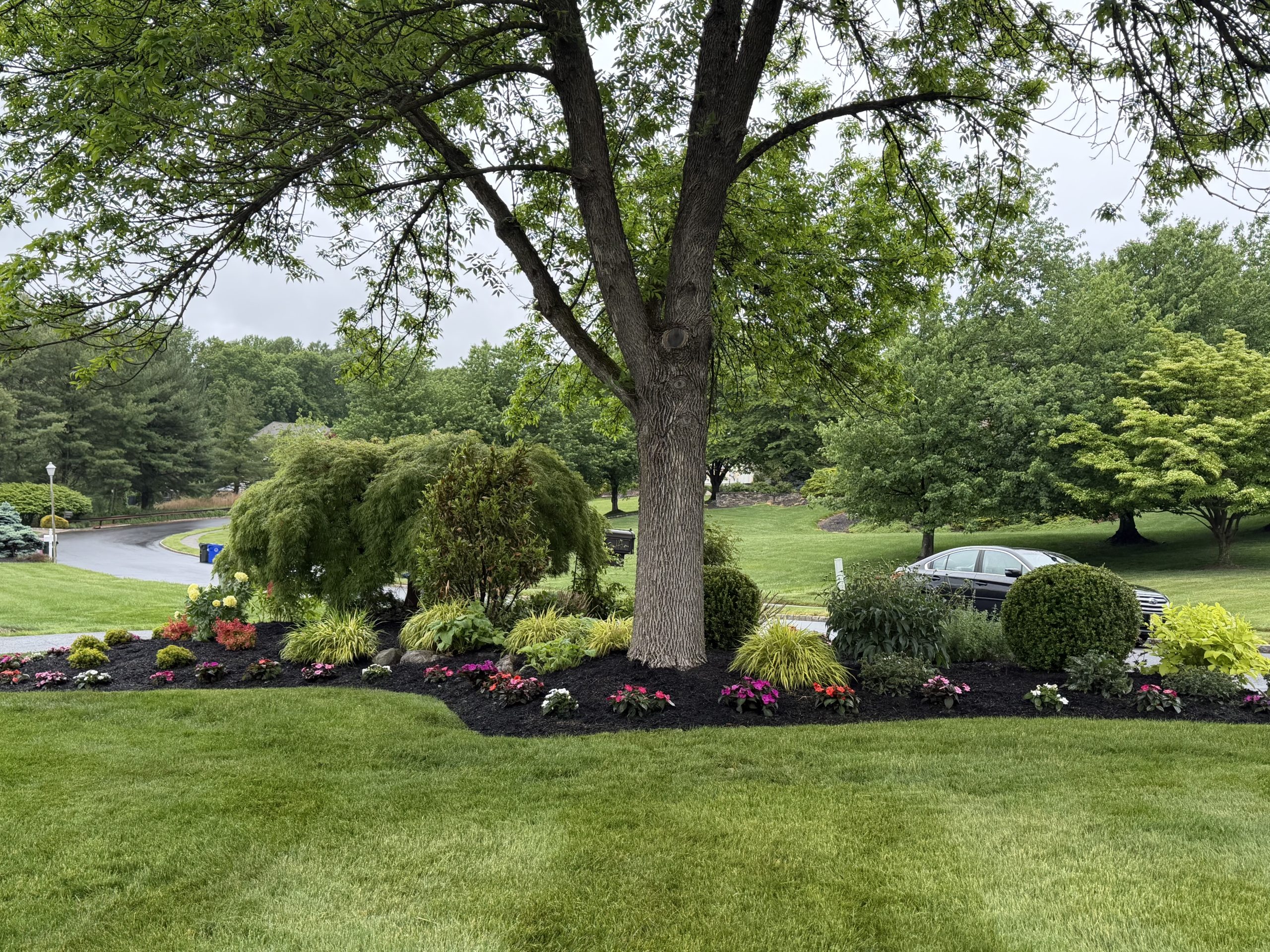
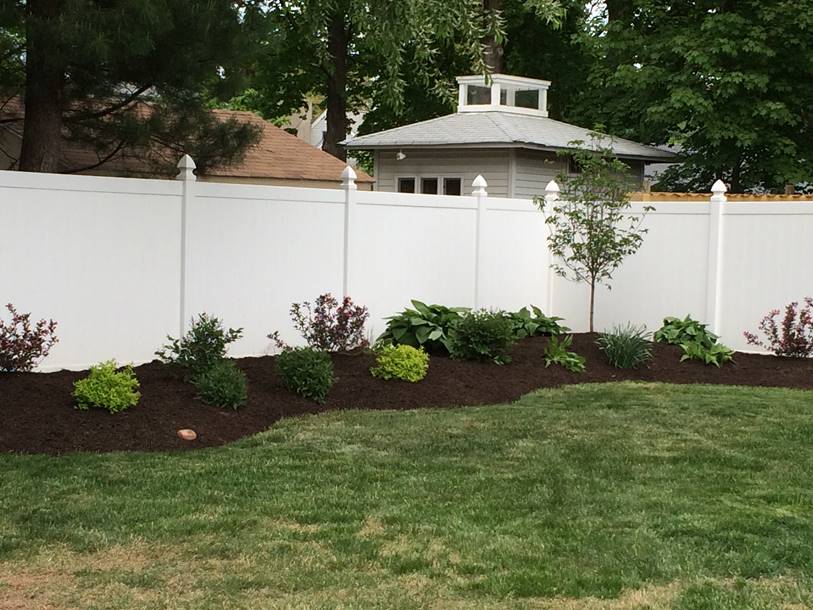
Mulch has become associated with neatness, but its real value is functional. A properly mulched bed loses moisture more slowly, sees fewer weed invasions, and experiences less temperature fluctuation at the root zone. Those benefits directly reduce landscape stress, especially during summer heat and winter freeze-thaw cycles.
Depth is the key. Too little mulch does not insulate or suppress weeds effectively. Too much can trap moisture against stems and reduce oxygen near the roots. In most ornamental beds, a moderate layer, often around two to three inches depending on material, works well. The bigger mistake is piling mulch against trunks and stems. "Mulch volcanoes" remain common and they cause real damage. They keep bark too moist, encourage decay, and can lead roots to circle near the surface instead of spreading outward.
Mulch also changes how water enters the soil. A well-mulched bed absorbs irrigation more evenly and resists crusting after rain. On slopes, it slows runoff and reduces erosion. On difficult sites with reflected heat from pavement https://ameblo.jp/dallaswfjr780/entry-12978080343.html or walls, that buffering effect can be the difference between plants that hold up through August and plants that begin to fail in July.
Not every mulch behaves the same way. Fine shredded bark knits together well on slopes, while coarser chips allow better airflow in some situations. Stone mulch has a place in specific designs, particularly with drought-tolerant planting, but in hot climates or exposed urban sites it can intensify heat around sensitive plants. Material choice should reflect the planting palette and the site, not just visual preference.
Pruning can relieve stress or create it
Pruning is often done with good intentions and poor timing. A shrub that looks overgrown gets sheared hard in midsummer. A tree branch is removed without regard to collar cuts. Perennials are clipped back during a hot spell when they are already conserving energy. The result is avoidable stress layered onto an already stressed plant.
Proper pruning is selective. It removes dead, damaged, crossing, or poorly placed growth first. It improves air movement and light penetration without stripping away the canopy that the plant relies on for energy production. For many shrubs, preserving natural form is healthier than repeated shearing into tight shapes. Dense, over-sheared exteriors often shade the interior so heavily that inner growth declines, leaving a woody shell with foliage only on the outside.
Timing depends on the plant. Spring-flowering shrubs usually set buds well before bloom, so pruning them at the wrong time can reduce flowering and force unnecessary regrowth. Shade trees tolerate structural pruning best during certain dormant periods, though local climate and species matter. Removing too much at once is another common error. A tree that loses a large percentage of canopy in one visit has to spend significant reserves on recovery, and those reserves are not unlimited.
One commercial site I worked on had a row of hollies clipped into rigid blocks every three weeks through the growing season. They looked tight from the road, but the leaf drop inside was severe, irrigation demand kept rising, and spider mite pressure increased each summer. Once the pruning interval was relaxed and cuts became more selective, the shrubs gradually regained density from the inside out. The maintenance standard improved, even though the initial look was slightly less formal.
Fertility should support growth, not force it
Fertilizer is easy to misuse because the short-term response can look positive. A quick flush of green growth feels like success. But on a stressed landscape, pushing growth without addressing water, soil, and root conditions can make problems worse. Tender new tissue needs moisture and nutrients to sustain it. If the roots are compromised, that lush growth becomes a liability.
Nutrient management works best when it is targeted. Deficiency symptoms can be real, but yellow leaves do not always mean a plant needs fertilizer. High pH soils can lock up iron. Waterlogged roots can mimic nutrient shortage because they cannot function properly. Drought can limit uptake even when nutrients are present in the soil. Applying product blindly can waste money and add salt stress, particularly in containers, turf edges, and beds near pavement.
Slow-release products are often safer for routine landscape maintenance than heavy doses of quick-release nitrogen. They feed more gradually and reduce the boom-and-bust effect. Organic amendments can improve soil condition over time, but they are not magic and they act slowly. Compost, when used appropriately, can help with moisture retention and soil biology, though it should be incorporated thoughtfully and not piled against woody stems.
The bigger principle is restraint. Fertility should match the plant's growth stage, the season, and the site conditions. Late-season fertilization that stimulates soft growth before a freeze is a classic way to invite stress. So is feeding cool-season turf aggressively just before extreme summer heat. Good programs respect the calendar as much as the label.
Pests and disease usually exploit existing weakness
Insects and disease are often treated as isolated problems, but many outbreaks gain traction because the landscape is already under pressure. A plant weakened by poor drainage, root damage, improper pruning, or drought is more attractive to opportunistic pests and less able to recover from attack. That does not mean every infestation is the plant's fault. It means prevention starts with overall vigor.
Routine scouting is one of the most valuable habits in professional landscape maintenance. You notice stippling on leaves before mites spread. You catch bagworms when removal is still manageable. You see powdery mildew beginning on susceptible plantings before the canopy is coated. Early action is almost always simpler, cheaper, and less disruptive than late rescue work.
Treatment decisions should be proportional. Not every pest requires an immediate spray application. Beneficial insects, weather changes, and plant tolerance all matter. A few chewed leaves on an otherwise healthy shrub are rarely an emergency. On the other hand, repeated defoliation, trunk boring, or disease moving into stems deserves prompt attention. The skill is knowing the difference.
Sanitation helps more than many people realize. Clearing diseased leaf litter, removing dead wood, disinfecting tools when needed, and improving spacing or airflow can all reduce recurring pressure. These are plain maintenance tasks, but they prevent a great deal of avoidable stress.
Seasonal shifts change the kind of stress plants face
A landscape rarely struggles the same way all year. Spring stress often comes from saturated soils, late frosts, and the urge to prune or fertilize too early. Summer brings heat load, drought, and heavy disease pressure in humid regions. Fall is when root establishment can improve dramatically if watering remains consistent, especially for trees and shrubs installed late in the season. Winter stress may arrive from desiccating wind, road salt, frozen soil, or sudden temperature swings.
The best maintenance programs adapt to that rhythm instead of applying the same routine month after month. Here is a practical seasonal focus:
- In spring, inspect for winter injury, correct drainage problems, and avoid overreacting to slow green-up before soils warm.
- In summer, prioritize irrigation uniformity, mulch condition, mowing height, and rapid response to heat stress.
- In fall, support root recovery with steady moisture, sensible pruning, and cleanup that limits disease carryover.
- In winter, protect vulnerable trunks, monitor salt exposure, and water evergreens during dry periods when the ground is workable.
- Year-round, document problem spots so recurring stress can be traced to site conditions rather than blamed on the plants alone.
That last point is underrated. Landscapes often reveal patterns if someone bothers to write them down. If the same corner bed declines every August, it is probably not bad luck. It may be reflected heat, coverage failure in the irrigation zone, or chronic compaction from service traffic. Records turn recurring surprises into solvable problems.
Plant selection decides how much maintenance a site will need
Some stress is built into the landscape at installation. A plant that is poorly matched to its light, soil, drainage, or mature size will require constant intervention. It may survive for years, but survival is not the same as performance. If the site demands endless watering, pruning, staking, or pest treatment just to keep a species presentable, the plant choice is working against the maintenance team.
This is especially noticeable with foundation shrubs placed too tightly, ornamental trees wedged into narrow strips of soil, or sun-loving perennials installed in deep shade because they looked good at the garden center. The landscape may appear finished on day one, yet the stress begins immediately. Roots compete, airflow drops, disease pressure rises, and pruning becomes increasingly corrective rather than preventive.
Resilient landscapes are designed with mature size and local conditions in mind. Native species can be part of that strategy, though not every native fits every site and not every non-native is problematic. What matters most is fitness to place. A well-adapted plant in the right location reduces irrigation demand, lowers pest pressure, and responds better to ordinary maintenance. That is not theory. It shows up in labor hours and replacement budgets.
The human side of stress prevention
A surprising amount of landscape stress comes from rushed work. Crews under time pressure mow wet turf, pile mulch too high, trim at the wrong time, or miss the early warning signs because the route is packed. Property managers delay irrigation repairs because the plants still look "good enough." Homeowners water intensely for one weekend, then forget for two weeks. None of this is malicious. It is simply what happens when maintenance becomes reactive.
The best results usually come from consistency rather than intensity. Ten minutes spent checking an irrigation zone, noticing a blocked emitter, or adjusting mower height can prevent hours of repair later. A measured pruning visit is better than a severe correction after months of neglect. Stress prevention is not glamorous, but it pays.
It also helps to accept that every landscape has vulnerable points. South-facing beds against masonry walls will dry faster. Tree roots under shallow turf will compete for water. New plantings will need more attention than established ones. Areas near sidewalks and roads will face heat and salt. Maintenance becomes more effective when those vulnerabilities are recognized openly instead of treated as surprises.
Reading the site before reacting
When a landscape starts to look tired, the temptation is to act fast and act broadly. Add fertilizer. Increase watering everywhere. Shear everything back. Spray for pests just in case. Those moves can make stress worse if the diagnosis is wrong. The better approach is slower and more observant. Check soil moisture. Look at root flare depth on trees. Notice where runoff collects. Compare plants in shade and sun. Review what changed recently, whether that was weather, mowing frequency, irrigation timing, or construction traffic.
That process is what separates routine upkeep from thoughtful landscape maintenance. Plants are responsive systems. They tell you what is wrong, but not always in obvious language. A bronzing lawn may be heat and drought, or chinch bugs, or a mower set too low during a hot week. A chlorotic shrub may need iron, or it may be standing in poorly drained soil where roots cannot function. Good maintenance starts with that distinction.
Preventing landscape stress is less about any single product or trick than about stacking small advantages. Healthy soil structure, appropriate watering, correct mowing, moderate mulch depth, timely pruning, realistic fertility, and close observation all reinforce one another. When those basics are handled well, landscapes recover faster from weather extremes and hold their appearance with fewer interventions. That is the real goal, not perfection, but durable performance season after season.
Majestic Mowing & Landscaping LLC
Phone number: +19733975532
FAQ About Landscape Maintenance
What is landscape maintenance?
Landscape maintenance is the ongoing care, cleaning, and upkeep of outdoor green spaces to keep them healthy, safe, and attractive.
Is $100 an hour too much for landscape work?
An hourly rate of $100 is not too much for specialized or professional landscape work, though it sits at the higher end of the standard pricing spectrum.
How much do landscapers charge for maintenance?
For professional landscaping maintenance, homeowners typically pay $100 to $410 per month for recurring services, or an hourly labor rate of $50 to $100 per hour per crew member.